Sobriety asks
“How long have I stopped?”
Count the days without pornography. Put boundaries around the behavior. Use tools that help you stop.
Those steps can matter, while pain, shame, loneliness, or old beliefs may still need attention.
 POWERED BY COUNTERFEIT EMOTIONSStart recovery →
Stopping the behavior matters. Our program focuses on the emotions, beliefs, and patterns beneath it, so you can work toward a life where pornography no longer feels like something you need.

Whether this is your first step, you have tried other programs, or you are finding your way after a setback, you are welcome here. In our approach, sobriety means stopping the behavior. Recovery looks at the emotions, beliefs, and patterns underneath it, and how you respond to everyday life.
Count the days without pornography. Put boundaries around the behavior. Use tools that help you stop.
Those steps can matter, while pain, shame, loneliness, or old beliefs may still need attention.
Understand the feelings and beliefs that show up before the urge. Practice meeting those feelings with honesty, responsibility, and connection.
Look for change in everyday life: how you handle stress, repair a mistake, ask for help, and show up in relationships.
The symbols in our logo tell this story: the line marks time between lapses, and the downward arrow represents digging deeper in recovery.
What felt different after other programs
“Other programs and therapy focused on the addiction itself and tools or tactics to ‘white knuckle’ your way into sobriety. Counterfeit Emotions helped me realize what was causing the core triggers in me and how those emotions were leading me down the path of addictive behaviors.”
What makes this program different
Counterfeit Emotions uses paired ideas, called dyads, to help you recognize familiar patterns and practice a different response. Here is what that work looks like:
Take responsibility without turning a choice into your identity.
Notice the difference between “I made a choice I regret” and “I am broken.” Practice owning what happened, making amends where needed, and choosing a next step with self-respect. You are not asked to define yourself with a label.
Learn to meet what hurts instead of automatically escaping it.
Explore a difficult feeling and the meaning you’ve attached to it. Practice naming the pain, noticing what matters to you, and choosing a response that supports your values.
Build connection through honest conversations and boundaries.
Recognize when keeping everyone happy means hiding your needs or avoiding a difficult conversation. Practice saying what is true with care and respecting the other person’s boundaries.
Keep growing without making a setback a verdict on your worth.
Look honestly at a mistake, learn what led to it, and act on what you learn. Practice consistent commitments and repair instead of deciding that anything short of perfect means failure.
Put recovery into practice
Weekly learning, daily practice, and a brotherhood beside you. The Counterfeit Emotions cohort helps you bring the deeper work into real conversations, difficult moments, and the life you want to be present for.
For men ages 18 and older, whether this is your first program or you have been trying for years. Men of any faith or no faith are welcome. Belief in God is not required.

Nine sessions to explore Counterfeit Emotions through conversation and practice, online or in person.
A place for daily reflections, weekly exercises, and the work you do between meetings.
Structured daily learning, with access to the course and program tools through the mobile app.
Interactive exercises to practice responding to difficult emotions in everyday life.
Support for following through on daily commitments and putting what you’re learning into action.
The cohort includes one individual, non-clinical coaching session by phone or video call.
Explore ongoing coaching →Invite someone you trust to week two, then welcome your support person or spouse back to celebrate your growth.
Explore the nine weekly topics below. Open any week to see what you will work on, then bring that learning into everyday life through the workbook and daily practice.

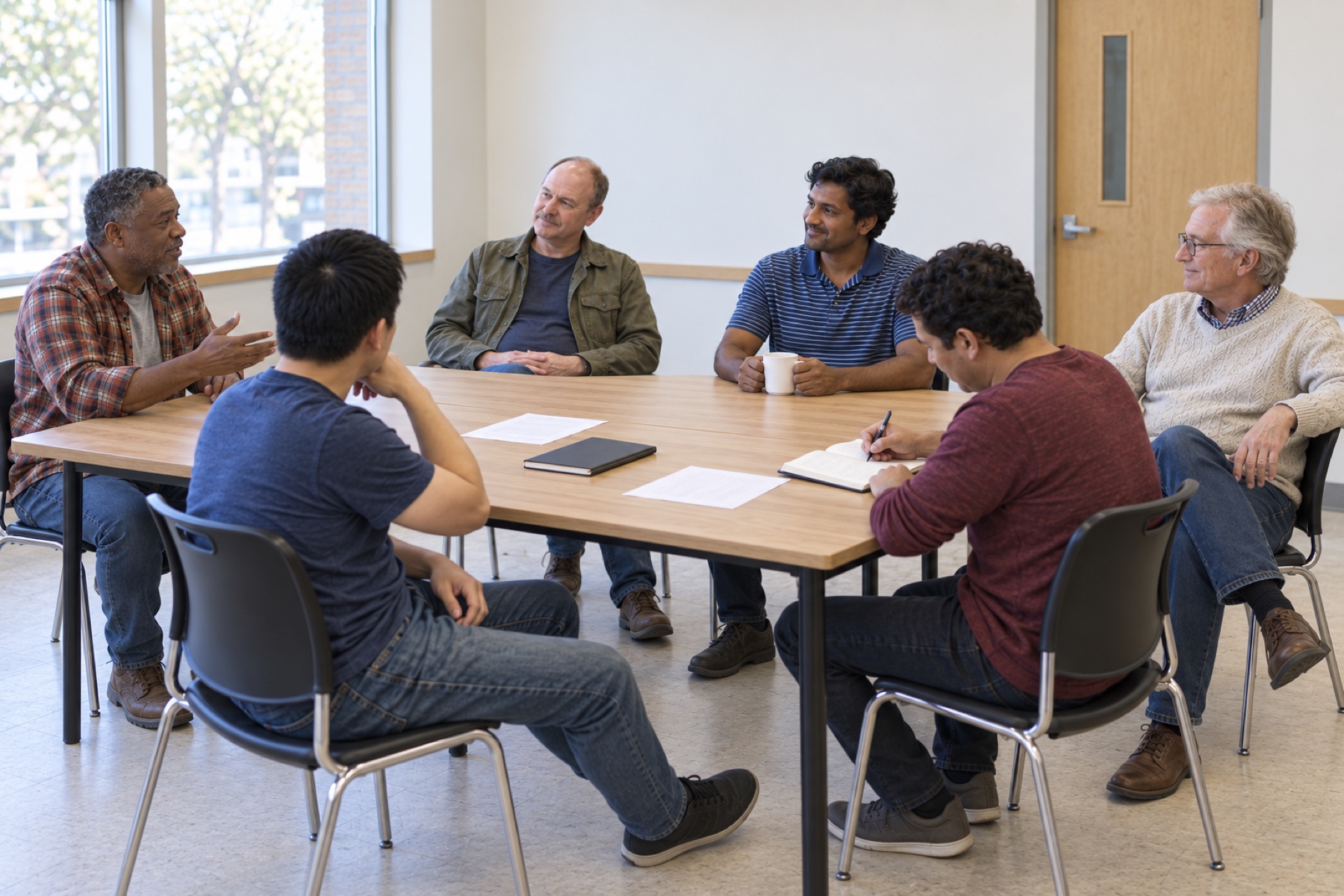
Meet the men taking this journey alongside you. Get introduced to the program, talk through commitments and expectations, and know what the coming weeks will look like.

Explore a goal beyond avoiding pornography: freedom from relying on it for relief. Invite your support person to join this week and learn how to support you along the way.
Explore recovery vs. sobriety
A choice you regret does not define your worth. Explore taking responsibility for your actions without turning that responsibility into an attack on yourself.

Pain can have purpose. Explore what difficult feelings may be telling you, how they can guide growth, and ways to respond without becoming stuck in misery or turning to pornography for escape.

Look at what draws you toward another person. Explore the difference between seeking gratification and building connection through care, respect, and consideration.
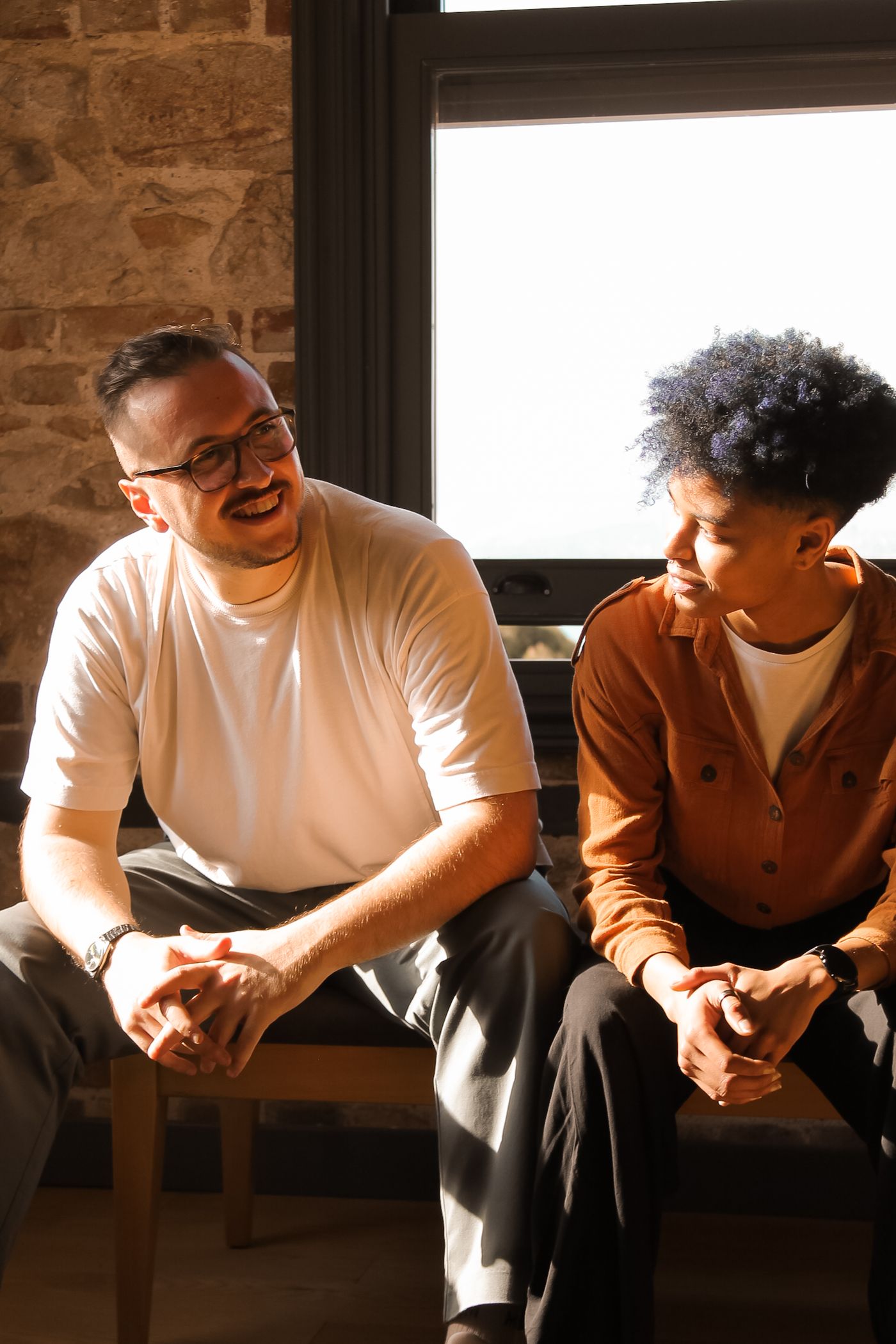
A dedicated week to focus on disclosure. Explore honesty, responsibility, and the impact of your choices, with care for the people involved and respect for their boundaries.

Kindness can include an honest conversation or a clear boundary. Explore caring for others without losing yourself in people-pleasing or saying what they want to hear.

Aim for meaningful progress without demanding a flawless performance. Practice learning from mistakes and choosing your next step with responsibility and self-respect.

Pleasure can be part of life; joy asks you to look deeper. Explore meaning, everyday connection, and the life you want to be present for.
Images illustrate everyday life and possibility. Welcome & Commitments uses an AI-generated scene; Disclosure uses a stock photograph. People pictured are not presented as program participants or endorsers. Photography credits.
In their own words
Participants describe the emotional understanding, practical tools, and connection they found through the Counterfeit Emotions Recovery Program.
A turning point in a difficult time
“The program that Curtis started has been the best money I have spent. It was life altering and life saving for me in a tough time. I think everyone should learn about their counterfeit emotions with him!”
Tools for everyday life
“This program has changed my perspective on what the real problems were in my life (my emotional intelligence and how I handle daily stressors) - then it gave me the tools and knowledge to improve in those areas.”
Hope instead of shame
“This program emphasizes hope rather than shame, unlike other programs I have been a part of.”
Excerpts from participant testimonials, with their original wording and attribution. Individual experiences vary.
Read all recovery storiesChoose the Tuesday or Thursday cohort that works for you. Meet every week for nine sessions, then come together for a celebration evening. There are no weeks off.
Choose your weekly evening
Starts January 12, 2027
6:00–9:30 p.m.
Mountain Time · Utah local time
Choose your weekly evening
Starts January 14, 2027
6:00–9:30 p.m.
Mountain Time · Utah local time
All meetings, including celebration evenings, run 6:00–9:30 p.m. Utah local time. Mountain Time follows Utah’s daylight saving changes.
Join online or attend in person in Lehi, Utah.
Use the guided workbook, daily lessons, and practical exercises to bring what you’re learning into everyday life.
Invite a trusted support person to week two. Your support person or spouse is also invited back for the celebration evening.
This program is currently for men ages 18 and older, of any faith or no faith, who are ready to move beyond simply avoiding pornography and work toward recovery. Belief in God is not required. Through Counterfeit Emotions, you’ll explore the emotions and patterns beneath your behavior, practice new ways to respond, and build connection with other men. Our goal is to help you work toward freedom from relying on pornography for relief or escape.
If you miss a session, that’s okay. All sessions are recorded, so you can watch when you have time, catch up on the material, and stay on track with your cohort.
Recovery Not Sobriety offers coaching and education that can sit alongside therapy. It does not replace it. The program provides practical tools, opportunities to practice emotional awareness, and a brotherhood of men working toward change. You’ll have structure, encouragement, and accountability as you bring what you’re learning into everyday life.
If you’re working with a therapist, talk with them about how the program could fit your needs and support the work you’re doing together.
Recovery Not Sobriety provides coaching and education. It can sit alongside therapy and does not replace care from a licensed mental health professional. Progress and individual experiences vary.
A conversation can help
Leave your name, phone number, and email, and our team can contact you. We usually try to respond within 24–48 hours, but response time is not guaranteed.
This is a contact request, not a booked appointment or immediate-response service. Kajabi sends an email confirmation; confirm if you would like recovery resources and program updates. You can unsubscribe at any time. To contact us without subscribing, email [email protected].
A moment to reflect
Use the recovery quiz to reflect on your own patterns and consider what you would like to understand or practice next.
Stock photographs illustrate everyday life. People pictured are not program participants or endorsers.